Home/Commercial
HOAs · Property managers · Municipalities · Developers
Vegetation management at acreage scale.
Written scopes, sectioned grazing plans, contained and monitored herds — the documentation a board, a supervisor or a procurement office needs before they sign.
Where we work
Sites that suit grazing.
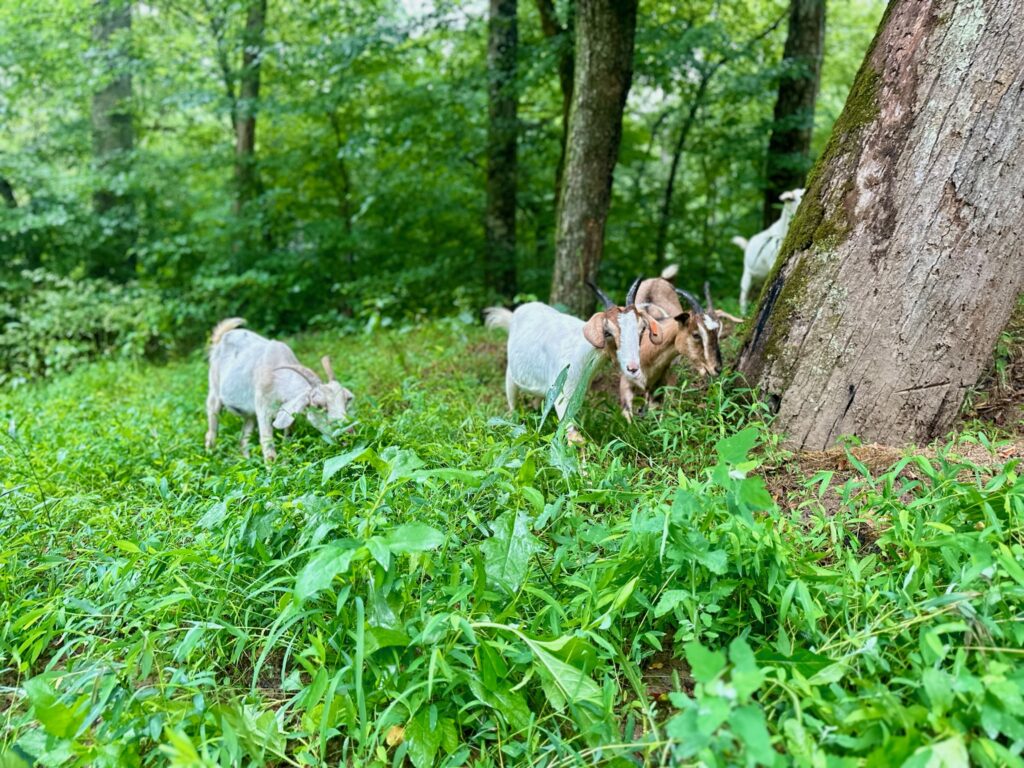
Grazing tends to win on ground that's linear, steep, chemically restricted, publicly visible, or all four.
HOA common areas
Buffers, detention basins, pond banks and the strips between properties that residents complain about and mowers can't reach.
Municipal & parks land
Public ground where herbicide use draws scrutiny and a visible, low-impact method is easier to defend at a meeting.
Conservation sites
Invasive control on land where soil disturbance and chemical inputs work against the whole purpose of the property.
Steep & mountain ground
Slopes and rough terrain that are unsafe for equipment and slow going for a crew. This is where grazing earns its keep.
Development parcels
Opening up overgrown acreage for survey, assessment and planning before machines are brought in.
Waterways, lakes & pond edges
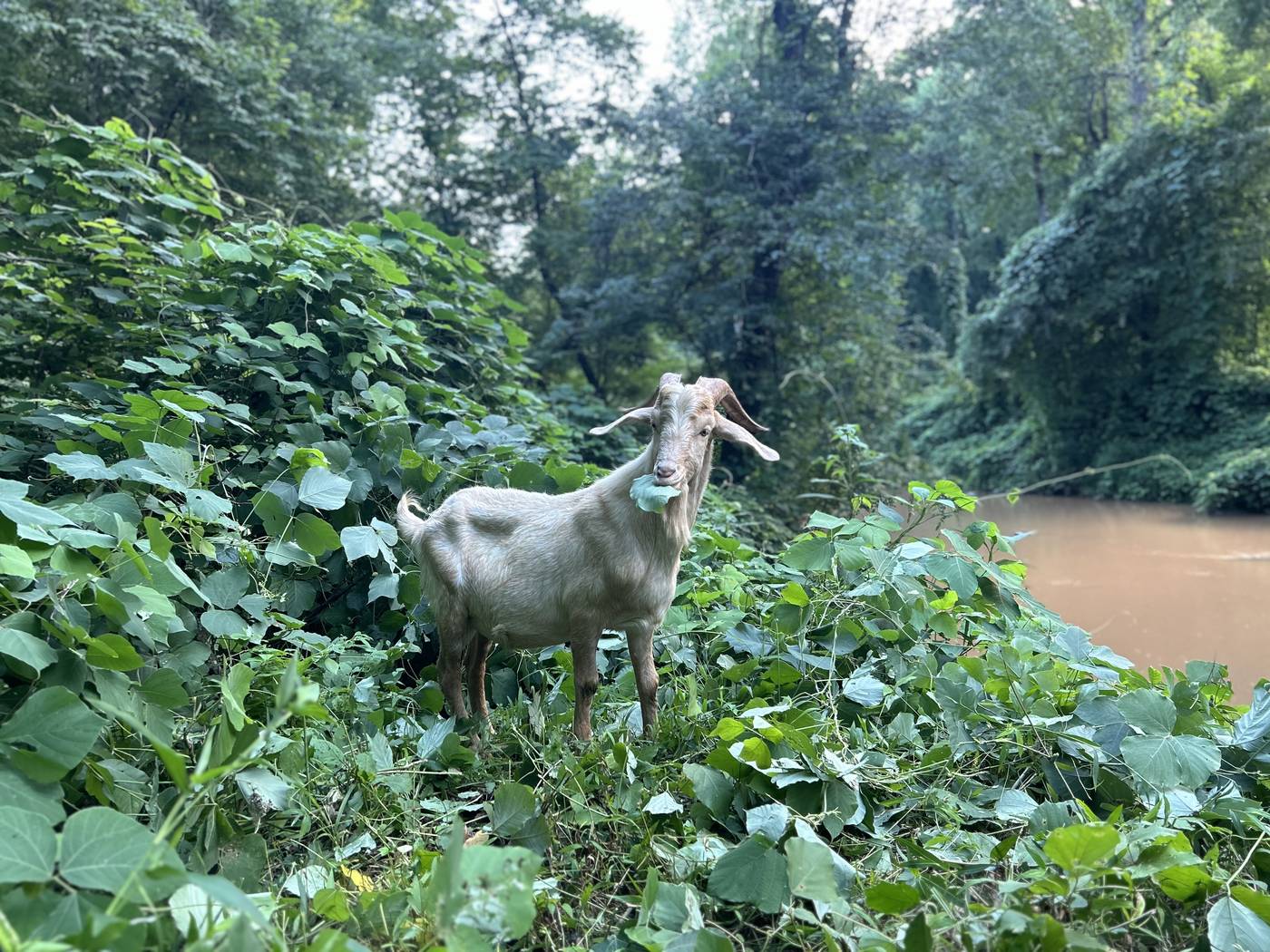
Shoreline and stream buffers where runoff rules out spraying and equipment would tear up the bank. Work we do regularly.
Farms & large landowners
Fence lines, gullies, wood edges and pasture reclamation on ground that's been let go.
How we handle scale
What a larger project actually involves.
Sectioned grazing
Large acreage is divided into cells. The herd works one, fencing moves forward, and you get a visible progress line across the property rather than a vague finish date.
Herd sized to the scope
Stocking density is set against acreage, vegetation density and your timeline — more animals compress the schedule, fewer stretch it.
Containment & liability
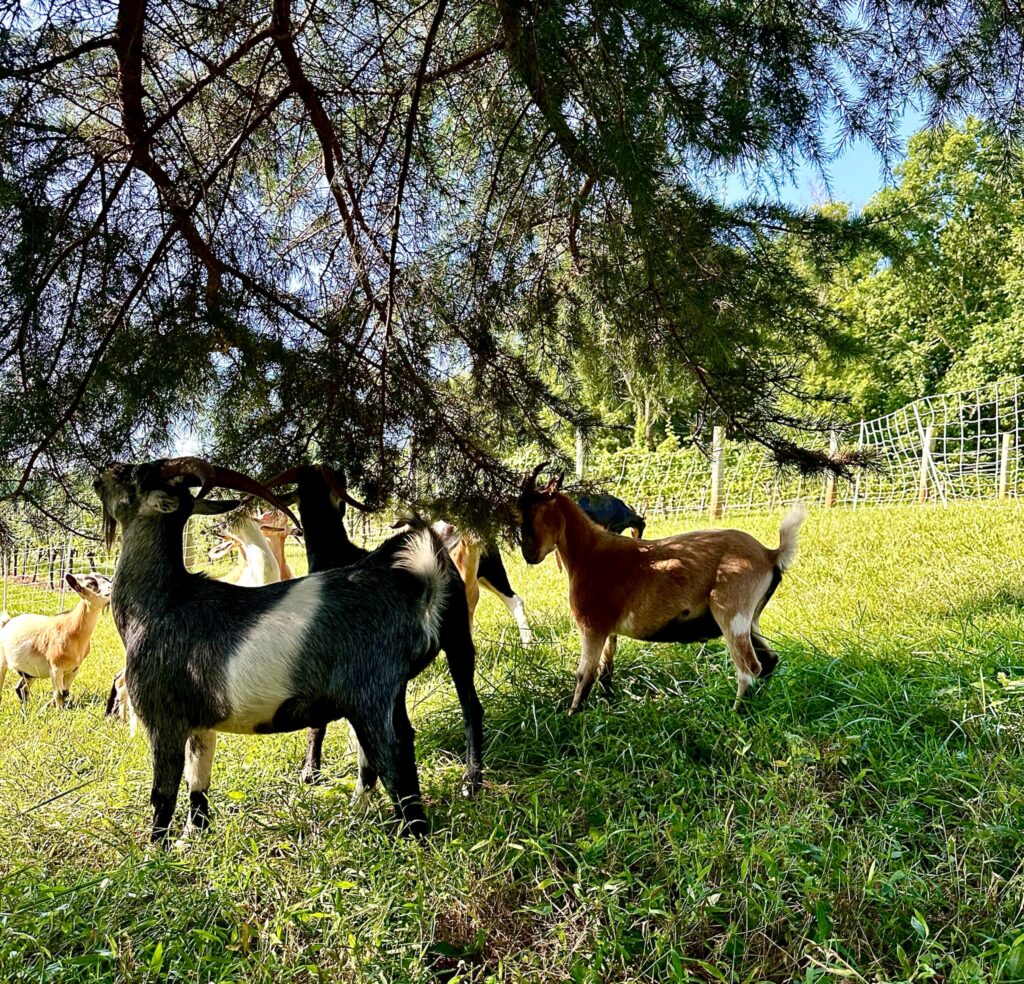
Solar-powered electric fencing defines the work area, and Nofence GPS collars let us hold a boundary on ground where netting isn't practical. Guardian dogs and remote cameras are added where isolation or predator pressure justifies them.
Multi-season plans
For established invasives we scope repeat grazings rather than promising a one-visit fix — that's what actually holds ground long term.
For the person who has to justify this
What we will and won't put in writing.
We will
- Provide a written scope with acreage, target vegetation, sections and estimated duration
- Document containment and monitoring arrangements
- Recommend a repeat-grazing schedule with expected outcomes by season
- Give a cost breakdown with and without add-on services
- Tell you which containment method suits the site — netting, GPS virtual fencing, or both
We won't
- Guarantee eradication of an established invasive from a single grazing
- Promise a landscaped finish from grazing alone
- Quote acreage rates sight-unseen — density and access change the number too much
- Take a job the herd isn't the right tool for
Logistics
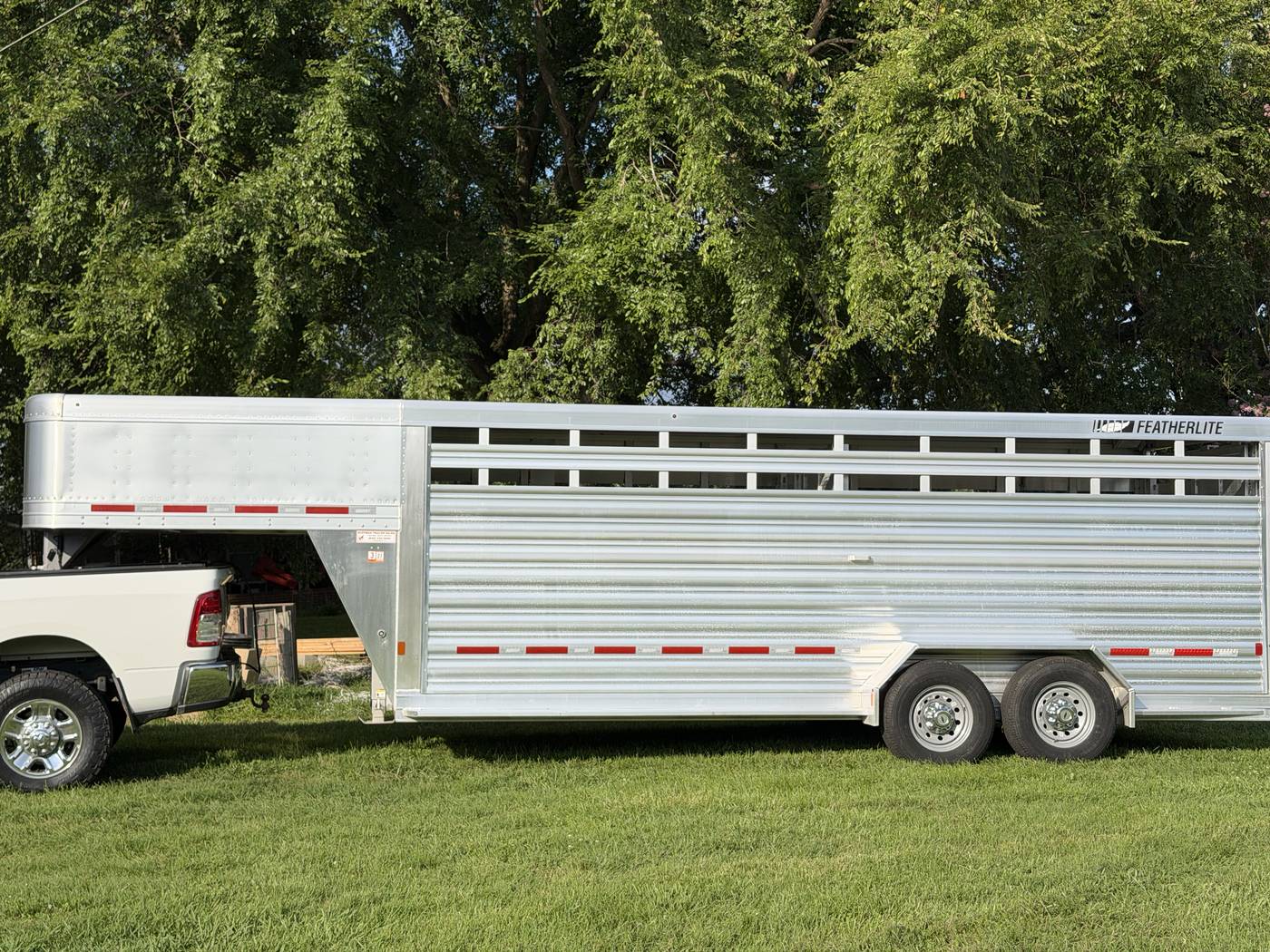
We haul our own herd.
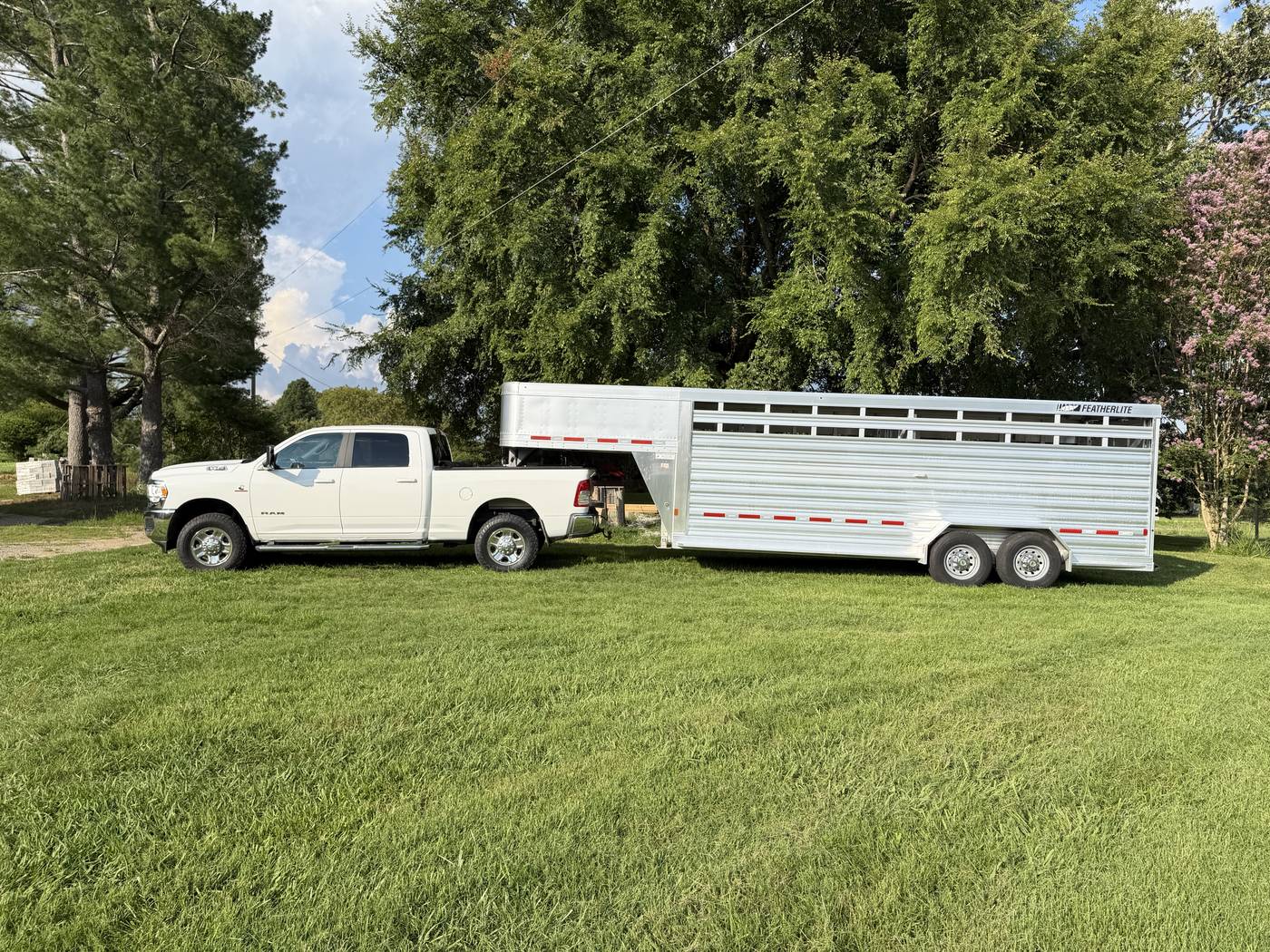
A hundred-plus goats don't arrive in a pickup bed. Livestock trailer, fencing, solar equipment and — where a site calls for it — guardian dogs come as one operation — which is why we can section a large property and keep moving instead of stopping between phases.
Ready when you are
Request a proposal.
Send us the parcel, the acreage and the problem. We'll walk it and put a scope in writing.